The Ultimate Guide to Local Restaurant Marketing (2026)
Learn the local restaurant marketing tactics that matter most, how to promote your restaurant online and in person, how much each tactic costs in time and money, and how an online growth system can handle it for you.
- Start with the basics: an optimized Google Business Profile, a steady flow of reviews, and a way to capture guest contact info.
- Local SEO helps nearby guests find you. Keep your name, address, and phone number consistent everywhere, and use a text-based menu Google can read.
- Show up in your community. Partnerships, pop-ups, sponsorships, catering, and local suppliers reach locals who might not find you online.
- Turn first-time guests into regulars with email, text, loyalty programs, and a branded app. There are only so many people in your area, so repeat business matters.
- Match tactics to your budget. Start with the basics and add channels as you grow.
- Track what’s working with your Google Business Profile data, promo codes, repeat rate, and by asking guests how they found you.
One of the best ways to grow your restaurant is to be found within your local community. A recent study showed that around 70% of diners ate at restaurants within five miles of home. People in your area are the ones most likely to place an order, so marketing to them is important. But where do you start?
Read on to learn the local restaurant marketing tactics that matter most, how to promote your restaurant online and in person, how much each tactic costs in time and money, and how an online growth system can handle it for you.
What Local Restaurant Marketing Actually Means
Local restaurant marketing means your tactics focus on growing orders from guests who live, work, or spend time in your local area. It’s what works because your customers are nearby.
Picture your average lazy Sunday. You start with a stroll to your local coffee shop, and stop at your favorite bakery. You could cook at home, but you order takeout from the reliable pizza joint around the corner instead. When you focus on locals, you become a part of their routines.
According to Square’s 2026 Local Economy Report, up to 60% of money spent goes to local businesses and “regulars” drive six times more revenue than other customers. Bringing locals in, and keeping them coming back, is one of the best ways to grow your restaurant.
Start Here: The Three Local Restaurant Marketing Tactics That Matter Most
With so many ways to market your local business, how do you know where to invest your time and money? Start with the basics. Here are three local restaurant marketing tactics that make the biggest difference: your Google Business Profile, customer reviews, and guest capture.
#1: Your Google Business Profile
Optimizing your Google Business Profile is one of the most important local marketing tactics. When guests search for restaurants online, they’ll typically head to Google Search or Google Maps. This is where your profile shows up in the search results.
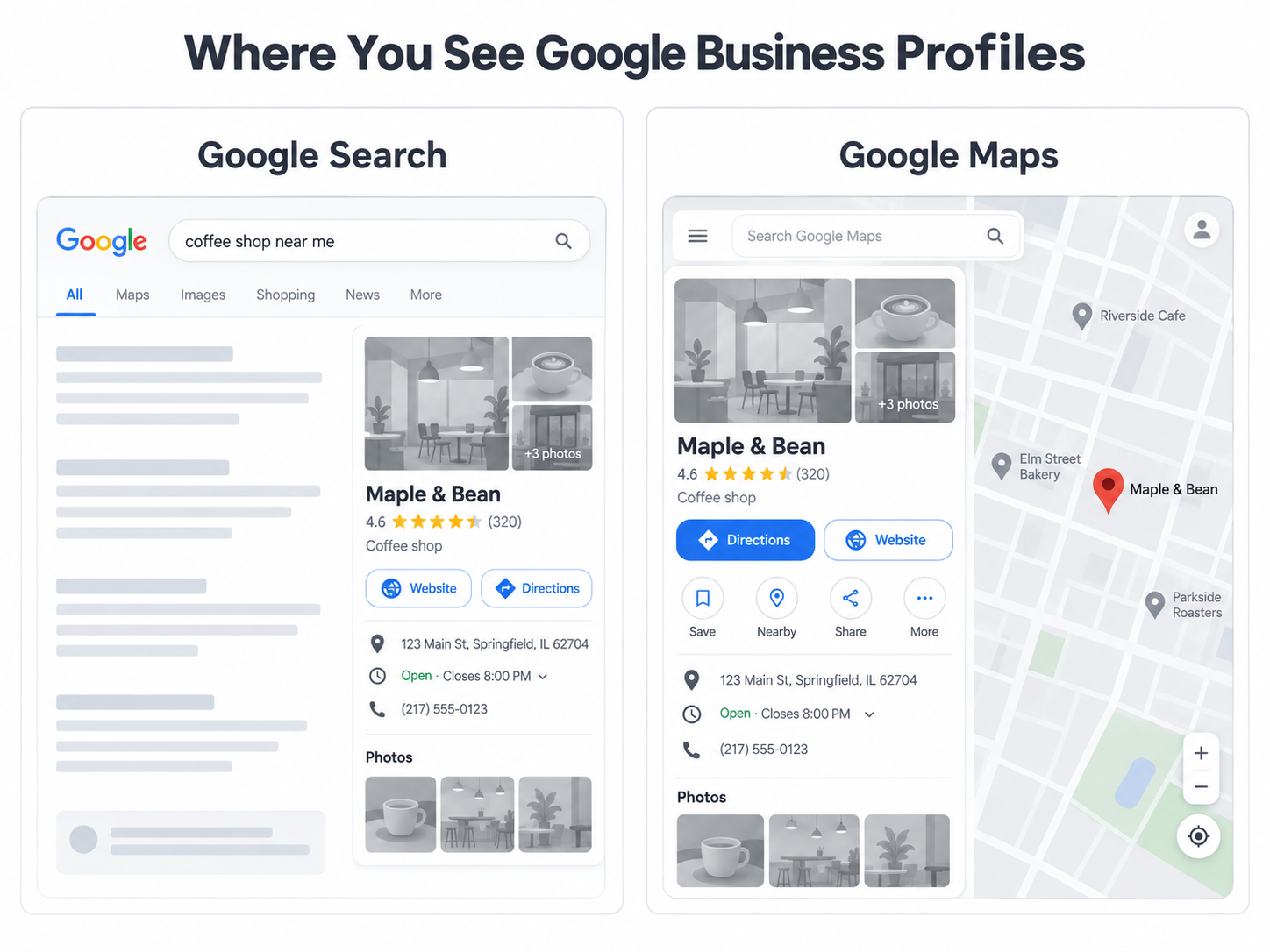
Your Google Business Profile is the first impression that your brand makes on hungry customers searching for their next meal. Optimizing it keeps you visible in search and gives guests the key details they need before ordering.
At Owner.com, we’ve seen the difference that a good profile makes. With optimized profiles, 46% of locations on Owner.com ranked number one in the Google Maps pack for their primary cuisine keyword, and about 68% ranked in the top three. (Rankings vary by market and competition.)
At minimum, your profile should have:
- Your hours, location, and contact information kept up to date
- Your restaurant’s menu
- High-quality photos of your food and ambiance
- Recent reviews
If you’re reading this and thinking, “I need to set up my Google Business Profile now,” we’ve got you. Take a look at this guide to Google Business Profiles for restaurants we put together for you.
#2: Reviews from Real Customers
When your guests find your Google Business Profile, or land on your restaurant website, they’ll read your reviews. In fact, 41% of people always read reviews (and that number gets higher each year). Are you ready for them?
It’s not enough to have one really good testimonial featured on your website: you need fresh and visible reviews, and a lot of them. According to a 2026 BrightLocal study, 47% of people won’t trust a business with fewer than 20 reviews and 74% only care about reviews written in the last six months.
This means you should always be collecting reviews. But here’s the good news: you can do this right on your Google Business Profile. It’s an easy way to help your reviews stay visible, too. Don’t focus on just getting reviews from your happiest customers. The more reviews you get, the more social proof you have.
Here’s one tip: respond to every single review. Replying shows that you value your guests’ feedback. Plus, if there are less-than-positive reviews (they happen!), responding gives you a chance to make your guest feel heard and make things right.
#3: A Way to Capture the Customers Who Already Came In
A new guest walks into the restaurant. They get great service, enjoy the food, and wave goodbye as they leave. All you can do is hope that they come back, right?
Not so fast. If you can capture your guest’s contact information when they come in, you can encourage them to return.
Some restaurants do this the old-fashioned way, by manually writing information. Others automate it with their POS system or online ordering system. This automation is effective, too: at restaurants that use Owner.com’s POS, about 50% of customers enter their phone number at checkout.
Once you’ve collected their information, you open up new possibilities to connect with them: sending email or SMS campaigns, adding them to a customer loyalty program, or encouraging them to download your app. (We’ll go over these in more detail later.) Just make sure you get an opt-in before you start marketing to them.
With the right system in place, you improve your chances of turning local guests into regulars.
How to Get Found by Local Customers with SEO
If you want to get found by local customers, one of the best approaches is local SEO.
For a quick recap: SEO stands for “search engine optimization”. Restaurant SEO helps your website rank on search engines like Google.
Google uses three key factors to rank your restaurant: relevance (how well you match each search), distance (how close you are to the searcher), and prominence (proof of quality, like reviews). Local SEO focuses on relevance and prominence for local searches.
There’s a lot that goes into SEO, but it makes a tangible difference in growing your online orders.
Here’s how we know it works. At Owner.com, every website and Google Business Profile is optimized with SEO best practices. Restaurants that switch to Owner.com typically see about 25% more Google traffic after 60 days and about 38% after 6 months. More traffic means more visibility and more potential orders.
We’ve built out guides for you to learn more about restaurant SEO and local SEO, but here are some key concepts to remember.
“Near me” searches
Say you run a Tex-Mex restaurant. When people search “Tex-Mex near me,” “tacos near me,” or “burritos near me,” you want to be at the top of the page. To rank for these searches, Google needs to know where you are and what you serve.
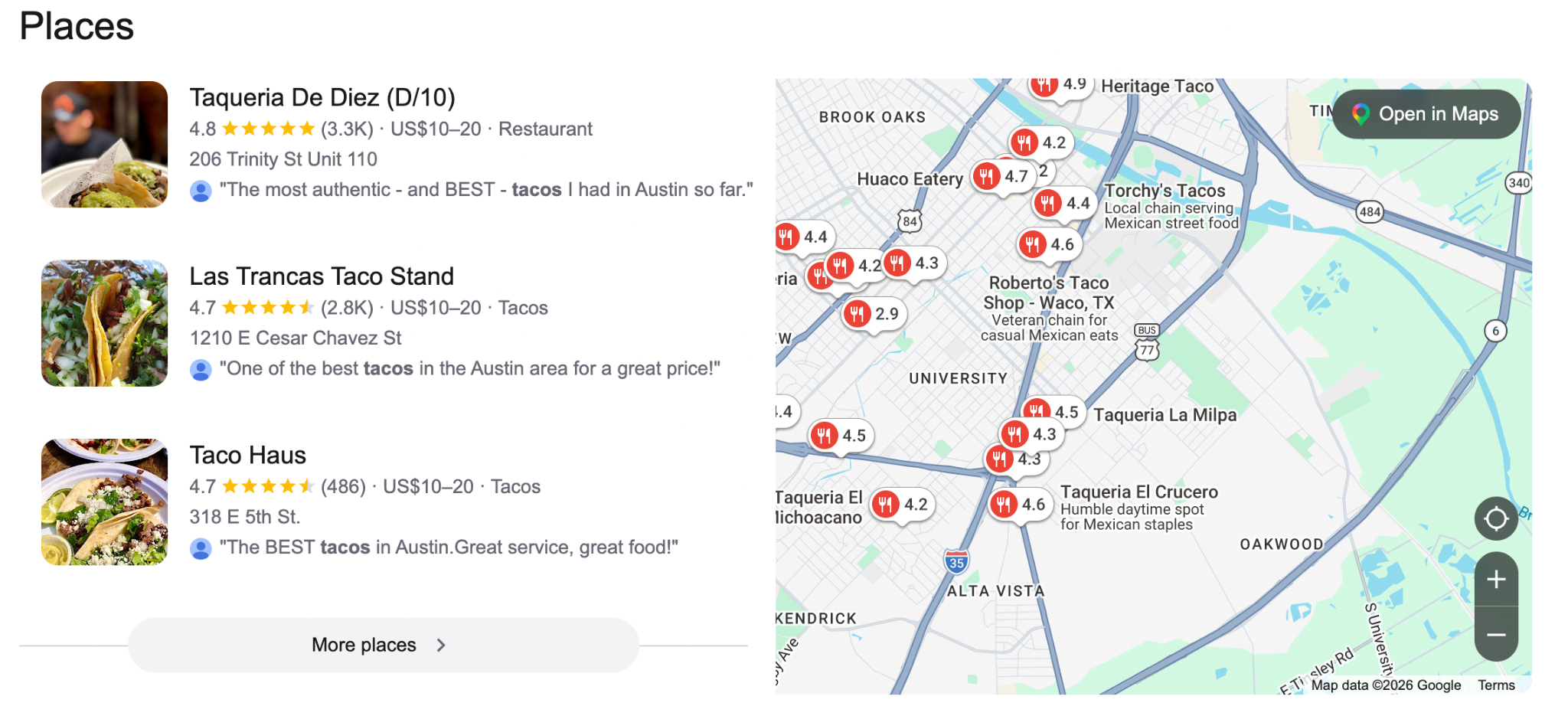
You want to be at the top of the search results when someone searches for “tacos near me”.
To rank for “near me” searches:
- Your Google Business Profile, website, Yelp page, and delivery marketplace listings should all show the same name, address, and phone number. When your listings match, Google trusts your location.
- Keep your online menu up to date and easy for Google to read. PDF menus are easy to upload, but search engines struggle to read them. A text-based menu page works better.
- On your website, building landing pages for each category of food you serve (like tacos, burritos, and bowls) can help you show up for relevant “near me” searches.
Delivery marketplaces and listing sites
Make sure that you’re visible on delivery marketplaces and listing sites. Sites like Yelp, TripAdvisor, and local food guides rank near the top of local results. People trust these sources, so you should stay visible.
Local guests also look for their next meal on delivery marketplaces, and they’re a trusted source for search engines, too. Make sure your name, address, and menu on any delivery apps you use match your website and other listings.
AI tools like ChatGPT
More people are asking AI assistants like ChatGPT where to eat nearby. AI tools pull these answers from similar places to Google: your listings, your reviews, and a menu the assistant can read. To learn more, check out this guide to ChatGPT for local restaurants.
How to Show Up in Your Local Community
Another way to promote your restaurant locally is by connecting with your community. Showing up at events and supporting other local businesses gives you new opportunities to share your food and your values with locals who might not walk by or find you online.
There are so many ways to show up. We’ve given you a few ideas below, but don’t be afraid to try something different if it feels authentic to you and your community.
Partnerships with other local businesses
Other local businesses may already have strong relationships with your community. The right partnership signals to their customers that you’re trustworthy, too.
There are lots of ways to get creative with complementary partnerships. Say you run a coffee shop and bakery. You could:
- Sell your baked goods in a nearby university’s cafeteria
- Team up with a bookshop to provide a free coffee coupon with every book purchase
- Feature local artists on your walls in a gallery, bringing in local art lovers
Partnerships give guests a new way to experience your business, and show you want to be part of the community.
What if I don’t have a local business to collaborate with?
Business collaborations aren’t realistic for everyone. Some businesses might see you as competition, or you might serve a smaller community with fewer options. If you don’t find a local business that’s a natural fit, that’s okay! Focus on other ways to connect with your community.
Local events and sponsorships
Street festivals, holiday celebrations, and weekly farmers markets bring people together. Showing up with a small pop-up restaurant lets new people try your food and learn about your restaurant.
Sponsorships are another great way to generate buzz and connect with new people. Event sponsors typically get perks like advertising, social media shoutouts, and a prime spot at the event. You can also sponsor community groups like sports teams, or offer your space to host events and fundraisers for local charities.
Catering
Catering for corporate events and celebrations promotes your business and can grow your income, too. (At Rig A’ Tony’s, the average in-house catering order is $250. Even a few catering orders a week can make a difference.)
A good way to promote catering is to offer a free lunch to nearby businesses. They’ll get to try your food and see how good it is. Next time they’re planning an event, you’ll be the first place they call.
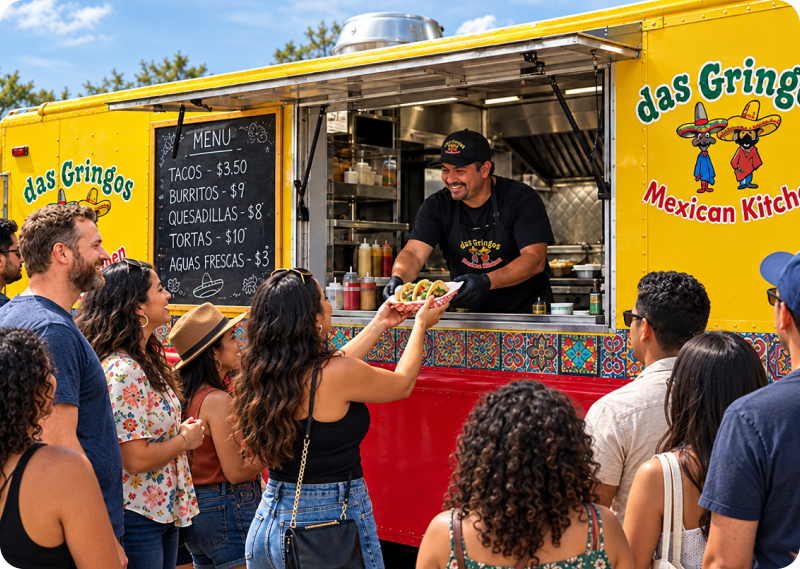
Use local suppliers
According to a 2025 survey from the National Restaurant Association, local sourcing was the top restaurant trend of 2026. Buying directly from local suppliers, like farmers and breweries, connects you with other business owners and shows guests you care about the community as much as they do.
How Social Media Works for a Local Restaurant
74% of people now use social media to decide where to eat. That’s a big opportunity to reach locals who haven’t found you yet.
There are a few social media strategies for platforms like Instagram that target local guests and grow your local following.
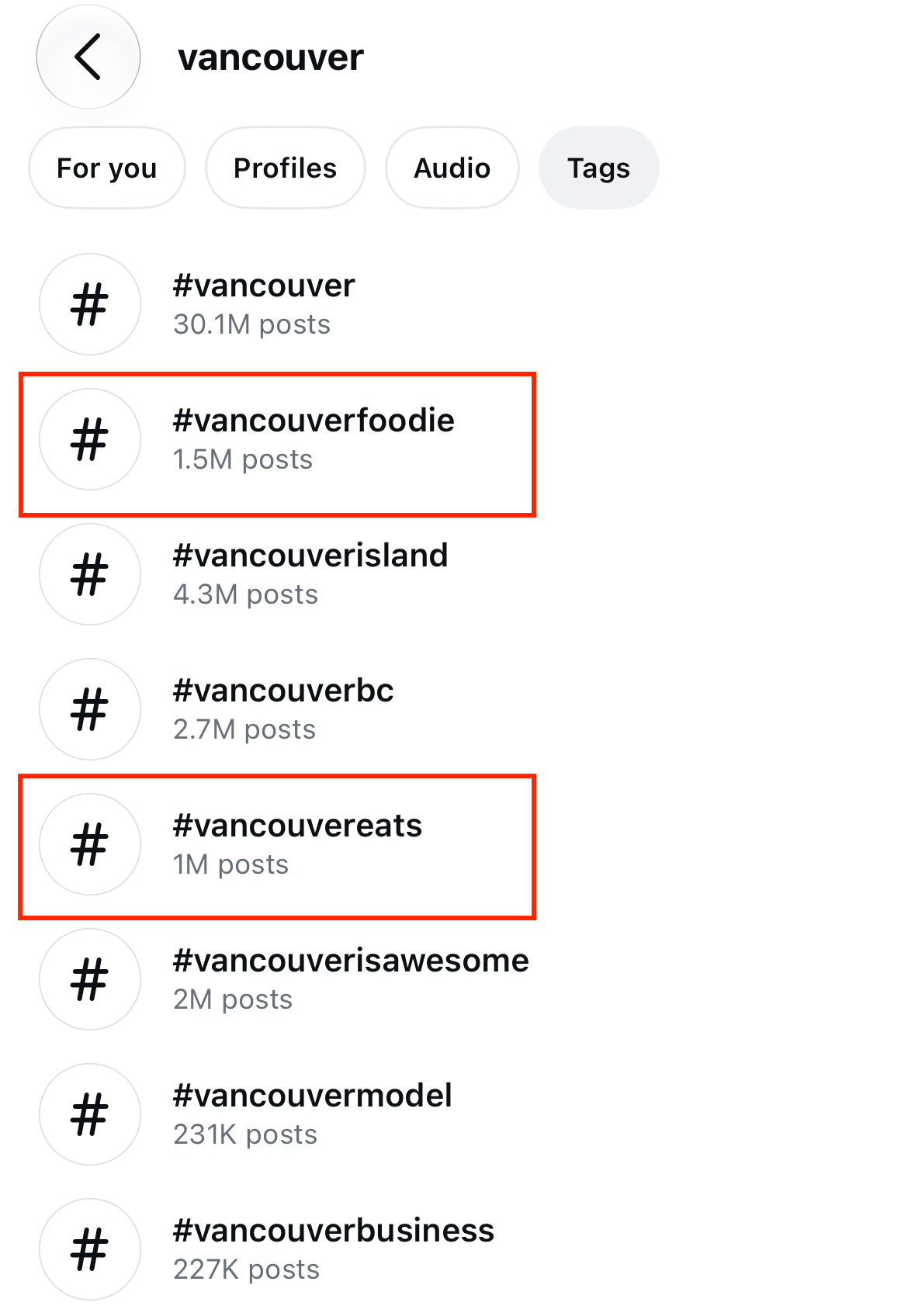
- Local hashtags. The hashtags you use put you in front of locals and tell them the delicious food you’re posting is right around the corner. To find hashtags, type your locale into Instagram search and click the “Tags” tab. Try out different searches to find the most relevant hashtags.
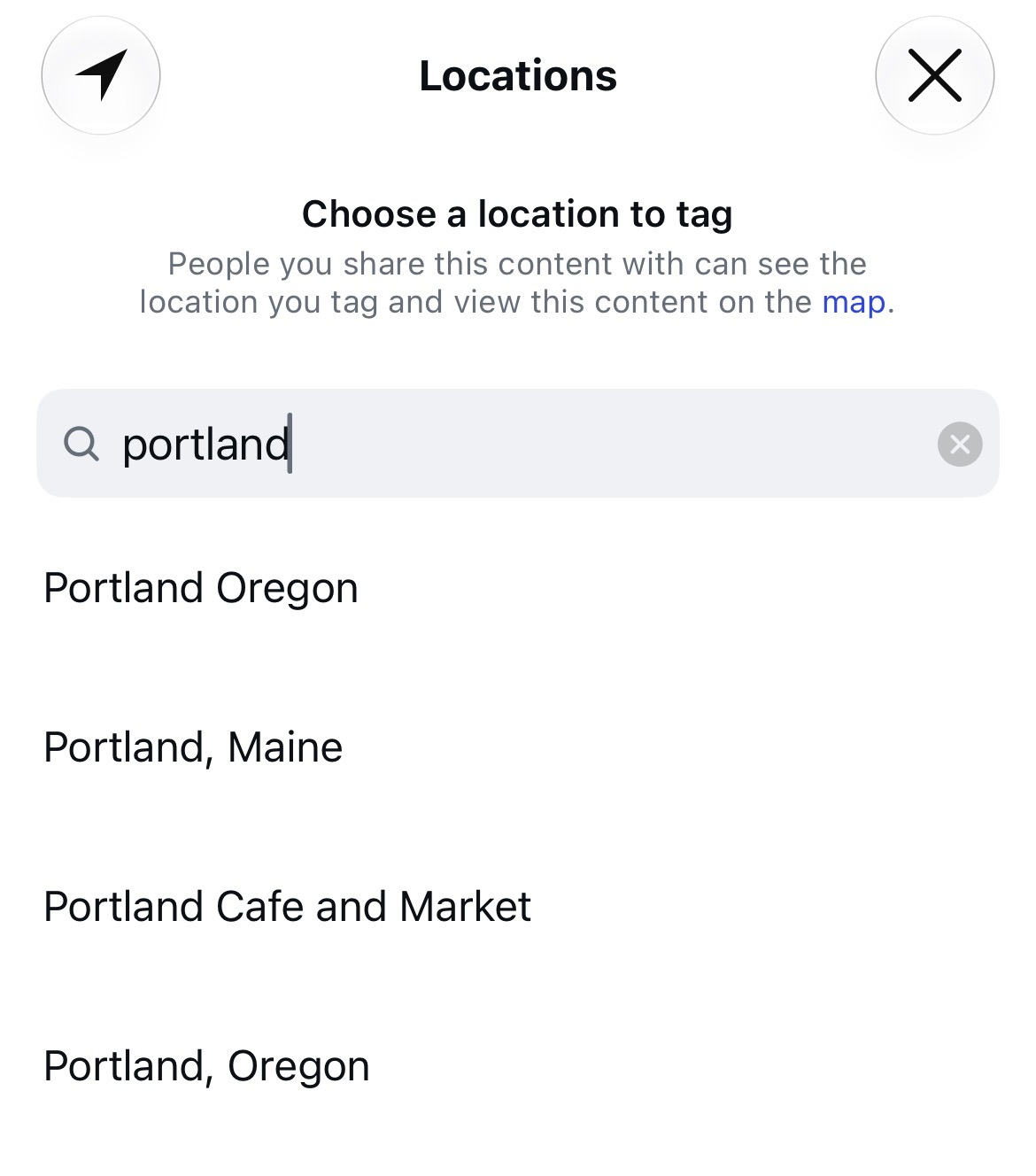
- Geotag your posts. This shares your location with guests scrolling your feed and helps you show up for local searches, too. Just add a Location when you’re creating a new post.
- Tag your neighborhood partners. Tagging relevant accounts gets more eyes on your account (and increases your chances of getting your posts shared, too).
- Work with local influencers. Don’t judge an influencer by their follower count. Influencers with fewer than 5,000 followers tend to have more engaged followers than influencers with more followers, with an average engagement rate of 2.61%. Their audience trusts them, so invite them to your restaurant and encourage them to post.
- Repost guest content. When your guests tag you in their posts or on their stories, repost them with their permission! This shows your audience your restaurant experience from a guest point of view.
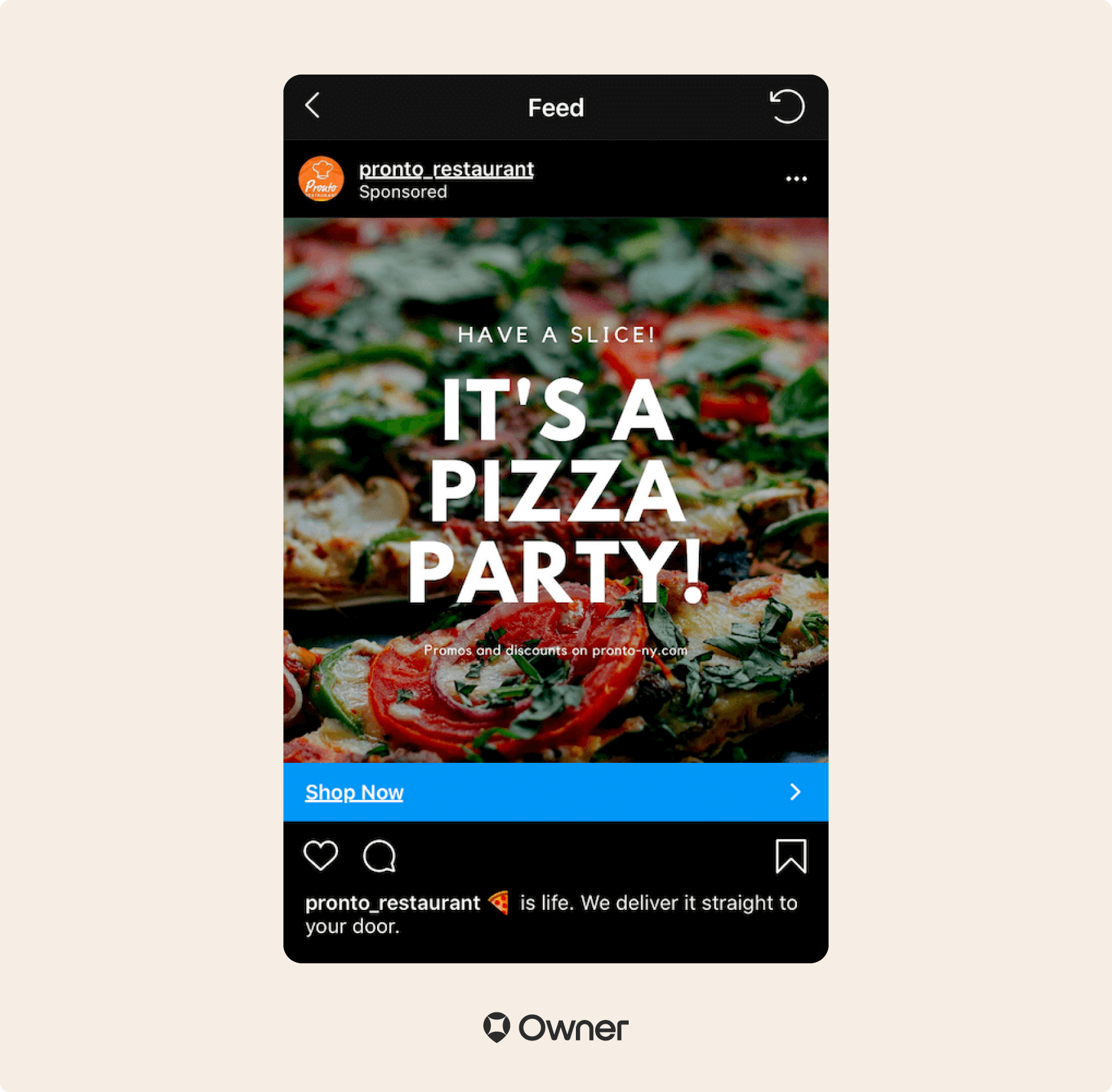
What about paid social media ads?
Paid social media ads can help you connect with local customers, but they’re not the same as organic social media. (Organic social media is the social that you don’t pay for.)
Typically, you’ll pick a campaign goal, set a target area (stick with a few miles surrounding your restaurant), and set a daily or weekly budget. It doesn’t need to cost a lot to make a difference.
Start with a simple ad and test different versions to see what works best. And remember to have a clear call-to-action. It should be easy for those seeing your ad to take the next step, whether that’s claiming a discount or placing an order.
How to Bring Local Customers Back Again (and Again)
Capturing your customers is one of the most important parts of local restaurant marketing. Think of it this way: there are a limited number of people in your area. Guests who become regulars are the ones who help your business grow.
The first step in turning new guests into repeat customers is capturing their contact information. The next step is using that information to build relationships and inspire them to visit again. You can do this using a few different methods.
Email marketing
Sending the right email, at the right moment, can drive repeat orders. Email marketing can look like a welcome email after their first order, following up on an abandoned cart, or sending recommendations for different dishes 7 days after their first order. (This approach helped Saffron Indian Kitchen drive $4,000 in orders in 30 days.) If you can automate these emails, you get a “set it and forget it” system that drives repeat sales.
SMS marketing
82% of people check their texts within five minutes of receiving them. By building an SMS marketing system for your restaurant, you can stay top of mind so when your guests get hungry, you’re the first one they think of. Keep your texts consistent, but don’t spam your customers. Aim for one to four times per month.
Branded app
A user-friendly branded app makes it easy for your customers to reorder from you directly from their phone. This leads to more orders. We found that, at restaurants with an Owner.com branded app, app customers place about 2.6x more lifetime orders than web-only customers.
Restaurant loyalty programs
Building a restaurant loyalty program gives people an incentive to visit again, whether that’s with points or member tiers. No matter how you structure it, gamifying customer loyalty makes return visits more fun.
What Local Restaurant Marketing Costs Per Tactic
So, now you’ve seen how many ways there are to bring local business to your restaurant. But you can’t make any decisions without considering the money and time investment. Here’s how each tactic stacks up.
Where to Put Your Local Restaurant Marketing Budget
By this point, you can tell: there are many ways to approach your local marketing. The right mix of tactics, and what works, is going to be different for everyone. Plus, you’re running a business. You need to make every dollar count.
Here’s a guide to allocate your spend if you’re just getting started or reevaluating your current marketing mix.
If you have almost nothing to spend
Start with the free basics:
→ Set up your Google Business Profile. Keep your contact information up to date, add high-quality photos, and link to your menu.
→ Start collecting reviews. Remember: quantity and recency matter. Collect reviews on your Google Business Profile, and respond to each one.
→ Capture guest contact info. Check whether your POS, online ordering, or reservation system already does this.
→ Post on social media yourself. Remember to use local hashtags, geotag your posts, and repost guest posts.
If you’re spending only a few hundred dollars a month
Keep the basics above running, and then invest in:
→ Email and text marketing. Take the time to set up automated campaigns. A little upfront effort keeps customers coming back.
→ A small paid ads budget. Start with a few dollars a day. With the right content and targeting, this can lead to more orders.
→ Invite local influencers. Influencers with smaller followings tend to have more engaged audiences.
→ Get into your community. Experiment with collaborating with a local business or an event pop-up.
→ Invest in a restaurant growth system. Owner.com handles online growth for you. It optimizes your restaurant website and Google Business Profile for local SEO, grows your reviews, and captures customers with loyalty programs and email and text campaigns that bring them back.
If you’ve got more budget
This is where you can invest a little more in those long-term plays that help you grow over time.
→ Hire support for SEO or social media. An expert helps you get found on search or social media, with less hands-on work for you.
→ Explore sponsorship opportunities. Maybe it’s a local event, a sports team, or providing ongoing catering for another local business.
How to Tell If Your Local Restaurant Marketing Is Working
You’re spending time and money on your restaurant marketing; you want to know if it’s working. Measuring your results is important, but you’re not a marketer. You need to be able to figure out if things are working without fancy dashboards or taking a Google Analytics course.
Once you’ve set up your marketing campaigns, here are some simple ways to see if they’re working.
Check Your Google Business Profile
Your Google Business Profile gives you some simple data that tells you how metrics are performing month-over-month. Start by going to your profile and clicking on the Performance tab.
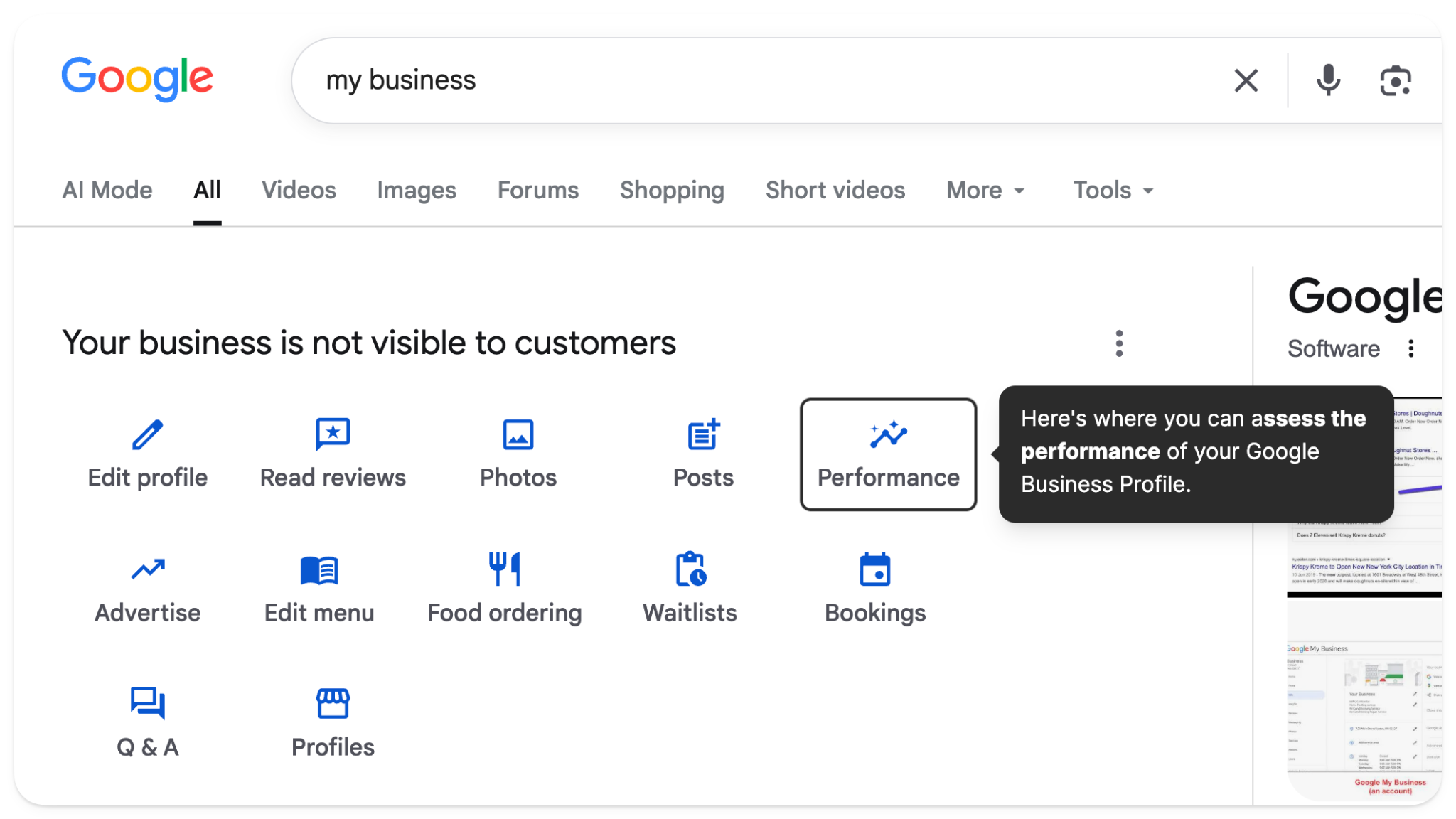
You’ll be able to see how key metrics have performed over the last 6 months to compare performance over time.
These metrics include:
- How many people viewed your business profile
- Searches that showed your profile in the search results (look for those “near me” searches)
- Calls from your profile
- Bookings from your profile
- Website clicks
- Requests for directions
Remember: this data doesn’t just tell you how your Google Business Profile is performing. It indicates how visible you are in search, which can be influenced by your local SEO efforts or searches that happen after you cater for a local business, sponsor a local event, or increase your paid ad spend.
Social Media Metrics
Another way to tell if your marketing is working is reviewing your social media performance. Each piece of data gives you something that you can take away to help your marketing grow stronger:
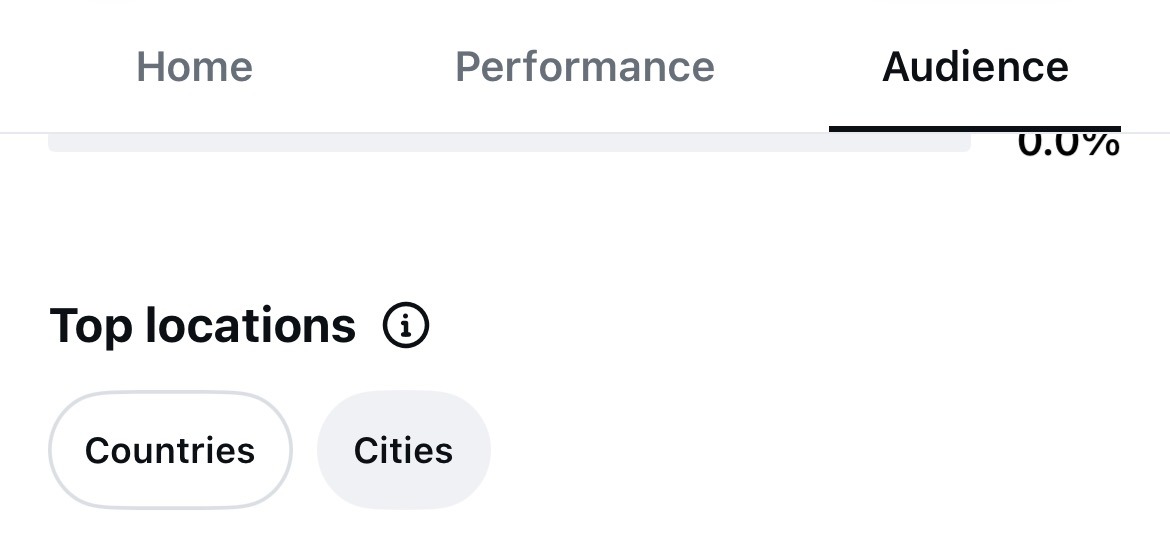
- Followers: Watch your follower count. More followers indicate more people who are engaged with your business. If you’re on Instagram, check your dashboard to see what cities your followers are coming from and how many of them are local.
- Post engagement: Each type of engagement tells you something different. Impressions show how many people saw your post. Likes and comments show they enjoyed it. Shares and saves show it was worth passing along or coming back to. Link clicks show it made someone hungry enough to check your menu.
- Hashtags: If you’re running a social media campaign, encourage people to use a branded hashtag and track how many times it's used during the campaign. This can help evaluate performance.
Offer Redemption
Track which offers get redeemed and how often. A weekly tally for each offer shows you what’s working and what needs adjusting.
Give every campaign its own promo code. That way, you can compare two campaigns from two different channels, even if they promote the same discount around the same time. This also works offline. Hand out a code at your next farmers market pop-up or on flyers at a partner business, and you’ll get a better idea of how many guests that event brought in.
Repeat Rate
Your repeat rate is the share of customers who order again within a set period.
Since there are only so many people in your area, this number tells you whether your marketing is helping people become regulars. A good repeat order rate ranges from 20% to 40%, depending on your restaurant. Your online ordering system, POS, or branded app may be able to track this for you.
Talk to Your Guests
This is a simple one that can get missed when things get busy, but it’s one of the most important. Ask your customers how they heard about you, what brought them in, and why they keep coming back. Even when you’re tracking everything perfectly, people can surprise you with their answers. Plus, talking directly to your customers helps you build real relationships with those regulars who help your business.
How Owner Helps Restaurant Owners with Local Marketing
Local marketing is important because it works. But you’re already running a restaurant, and juggling marketing might feel like one thing too many to take on.
There’s a way to get it handled for you. Owner.com gives restaurants like yours the same online growth system that big chains have, without the internal marketing department or high agency price tags. Here’s how it works:
- Get found on Google. Owner.com builds you an SEO-optimized restaurant website and optimizes your Google Business Profile and listings. Restaurants that switch to Owner typically see about 25% more Google traffic after 60 days and about 38% after 6 months.
- Earn more reviews. Owner.com helps more happy guests leave reviews for stellar social proof. It helped San Francisco restaurant Ashley’s Cafe grow from 3.5 stars to 4.3 stars.
- Capture every guest. Online ordering and Owner.com’s restaurant POS collect guest information at checkout, online and in-store.
- Bring them back. Email and text campaigns, rewards programs, and your own branded app turn guests into regular customers.
Owner runs your online growth system for you, so you can focus on running your business. Plans cost $249 a month plus a 5% fee per order, or $499 a month with no per-order fee. All of this is included in both plans. If it sounds like something that would be helpful for you, we’d love to show you how it works. Get a free demo today.
Local Restaurant Marketing FAQs
What is local restaurant marketing?
Local restaurant marketing is marketing where tactics focus on growing orders from guests who live, work, or spend time near your restaurant.
What's the difference between local marketing and local SEO?
Local SEO is one part of local marketing. Local SEO optimizes your restaurant’s online presence so you show up for local and “near me” searches on Google and other search engines (including AI search engines like ChatGPT). Local marketing promotes your business across different channels.
How much should a restaurant spend on local marketing?
It depends on your budget. The three most important tactics can be done for free: an optimized Google Business Profile, collecting and responding to reviews, and a method for capturing your customers after they come in.
What's the cheapest local marketing that actually works?
A Google Business Profile is free and is one of the most effective ways to promote your local business. Set up correctly, it helps you show up for relevant local searches, share your menu and location information, and helps you collect and share reviews.
How far should I target around my restaurant?
Aim for 5 miles. A 2026 study found that 70.3% of people stick to restaurants within five miles when they go out to eat.
How long before local marketing shows results?
It depends on the tactic and how it’s set up. Some automated email campaigns can drive repeat orders in just a few weeks. Restaurants that switch to Owner.com typically see about 25% more Google traffic after 60 days and about 38% after 6 months. Other tactics, like organic social media and community partnerships, can take longer to build momentum.
Does my restaurant need to be on social media?
Yes, your restaurant should be on social media. After all, 74% of people now use social media to decide where to eat. A social media strategy brings guests to your restaurant and can boost online orders.
How do I know which channel brought someone in?
Give each campaign its own promo code, check Google Business Profile performance data, and keep an eye on your social media metrics. And don’t forget to ask your guests how they heard about you.
How do I optimize my Google Business Profile for local searches?
Make sure your name, address, and phone number are accurate and consistent across Google and all other online directories. Add high-quality photos, keep your hours up to date, respond to reviews, and use relevant keywords in your business description. These steps help Google understand your restaurant and show it to local diners.